
Six days in Jordan with Hajjat Tours is the sweet spot — enough time to move through the country at a genuine pace, absorb its layers of history, and arrive at each destination feeling present rather than rushed. This itinerary connects Jordan’s Roman north, its Byzantine heartland, its Nabataean south, its great desert wilderness, and its extraordinary natural landmarks into one complete, flowing journey.
The route opens in Amman before heading north to Jerash and Ajloun — two of Jordan’s most compelling historical sites. Day three travels the King’s Highway south through the Byzantine mosaic town of Madaba and the hilltop of Mount Nebo, where Moses is said to have looked out over the Promised Land, before arriving in Petra.
Day four is dedicated to one of the world’s great archaeological wonders, with the afternoon continuing into the Wadi Rum desert for a Bedouin dinner under the stars. Day five moves from the silence of the desert to the stillness of the Dead Sea.
Day six offers a final morning at the water before departure.Hajjat Tours has been operating Jordan itineraries since 2003, and this six-day program is one of their most complete — a journey that connects ancient civilisations, dramatic landscapes, and living culture in a sequence that simply makes sense. Every detail is handled: airport transfers, English-speaking drivers, Wi-Fi vehicles, vetted accommodation across 3 to 5-star categories, and all entrance fees included.
Queen Alia International Airport (Google Map)
4 Hours Before Flight Time
Your journey with Hajjat Tours begins at Queen Alia International Airport (QAIA), where our representative will meet and assist you through arrivals and transfer you to your Amman hotel. The evening is yours — Amman rewards the curious, with a thriving food scene, rooftop bars, and a downtown that pulses well into the night. Overnight in Amman.
After breakfast, begin with a guided city tour of Amman — the Citadel (Jabal al-Qal’a), with its Temple of Hercules and panoramic views over the city’s hills, and the Roman Theatre, a 6,000-seat amphitheatre carved into the hillside in the 2nd century AD and still standing in remarkable condition in the heart of downtown. The city tour also takes in the vibrant downtown area, where traditional markets, street food, and the sound of Amman’s daily life create a vivid contrast to the ancient stones above.
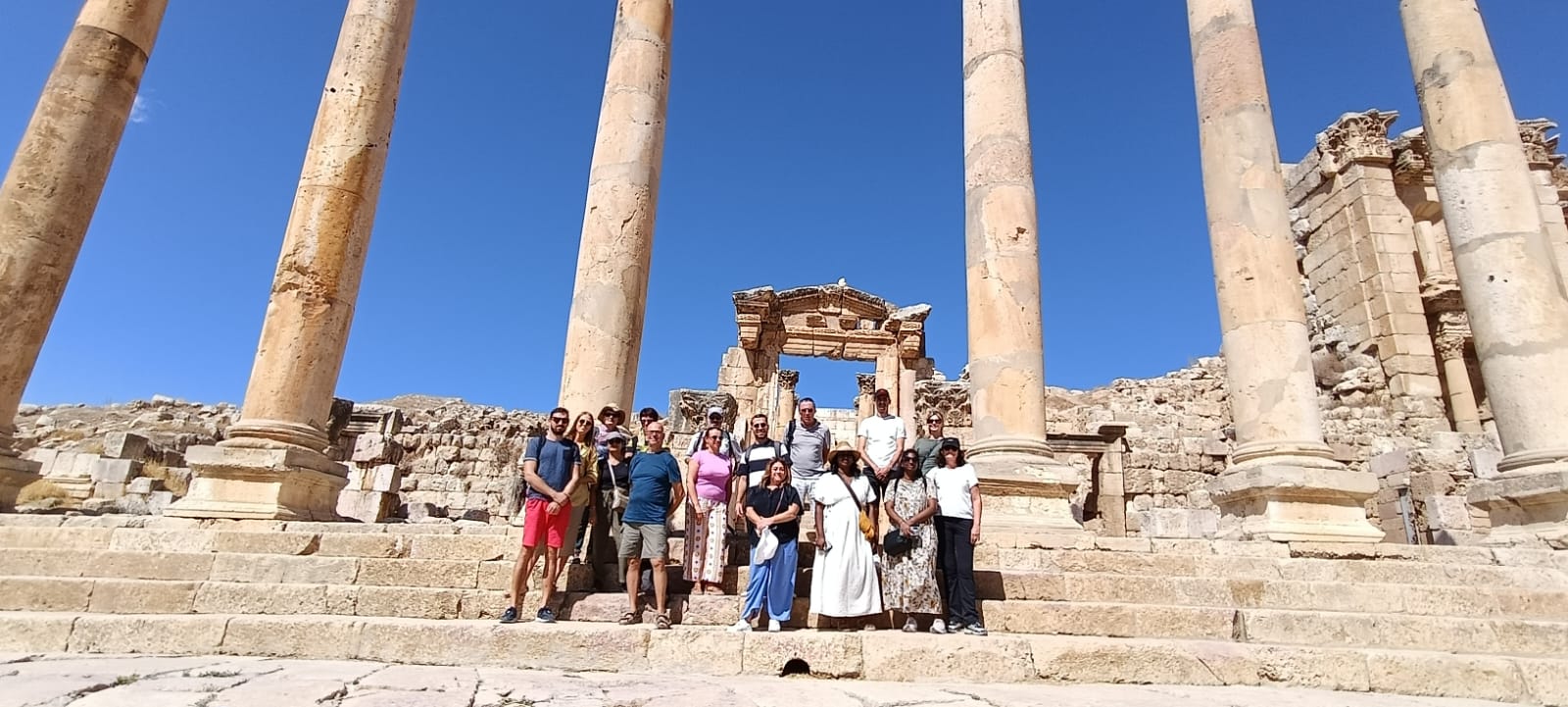
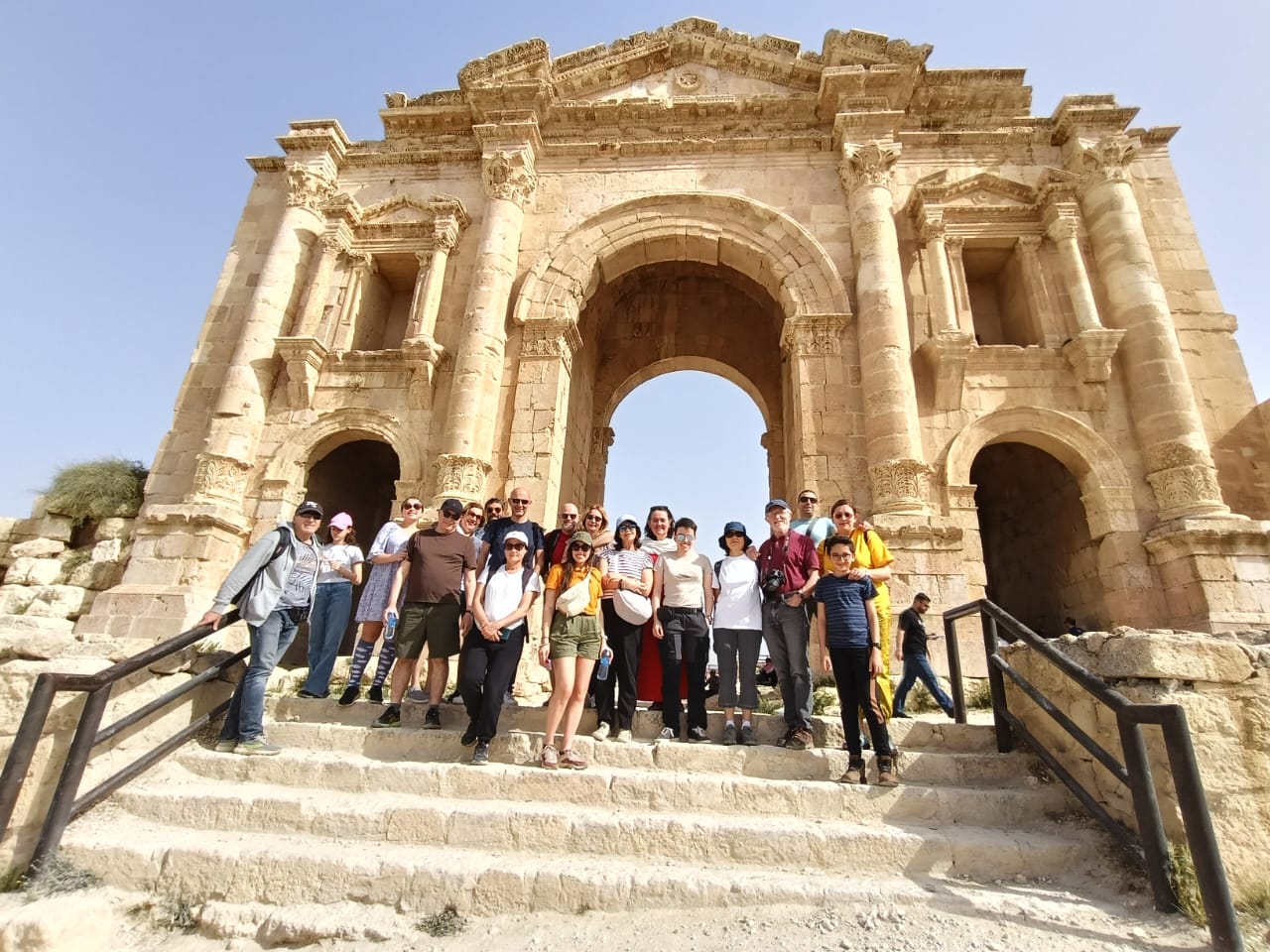
From Amman, head north to Jerash — one of the most complete and best-preserved Roman provincial cities anywhere in the world. The Oval Plaza, Cardo Maximus, Temple of Artemis, Nymphaeum, and two ancient theatres are all still largely intact, giving Jerash a rare quality: you don’t just see Roman history here, you walk through it. Continue to Ajloun, where the 12th-century castle of Qal’at Ar-Rabad sits on a forested hilltop commanding sweeping views over the Jordan Valley and three surrounding wadis. Built by a general of Saladin to counter the Crusader presence in the region, it remains one of the finest examples of early Islamic military architecture in the Levant. Return to Amman for overnight.
After breakfast, the road heads south along the King’s Highway — one of the oldest continuously used routes in human history, connecting civilisations from the Bronze Age through the Roman Empire to the Arab kingdoms of the medieval period. The drive itself is one of Jordan’s great pleasures, winding through highland towns, agricultural plateaus, and deep valley landscapes.
The first stop is Madaba, the City of Mosaics. At the Church of Saint George, the famous 6th-century Byzantine mosaic map of the Holy Land stretches across the floor — one of the oldest cartographic representations of the region ever found, with Jerusalem at its centre and the Jordan River, Dead Sea, and surrounding territories laid out with extraordinary detail. The town itself is full of additional mosaic workshops and archaeological sites worth exploring.
From Madaba, continue to Mount Nebo — the hilltop from which Moses is believed to have seen the Promised Land before his death. The views from the summit are remarkable: on a clear day you can see the Jordan Valley, the Dead Sea, Jericho, and on the rarest of occasions, the distant outline of Jerusalem. The Memorial Church of Moses here contains some of the finest early Christian mosaics in Jordan.
The road continues south to Petra for overnight — arriving in the town of Wadi Musa, the gateway to the ancient city, with the evening free to explore local restaurants and prepare for a full morning ahead.
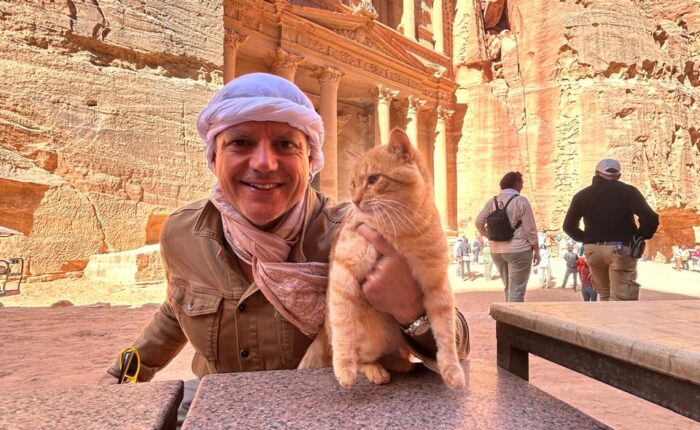
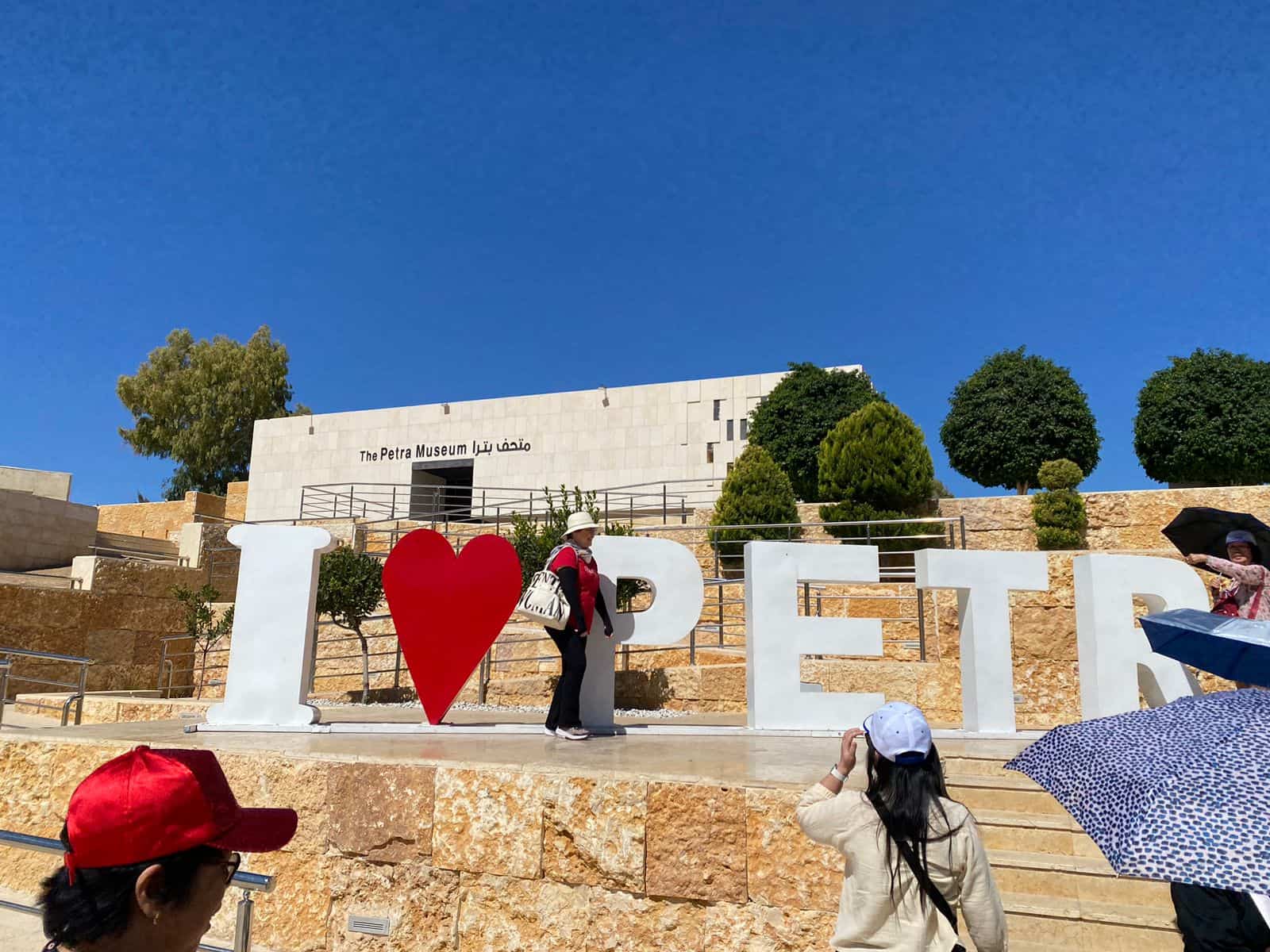
Today belongs to Petra. One of the New Seven Wonders of the World and a UNESCO World Heritage Site, the ancient Nabataean city needs a morning at the very minimum to do it justice — and a full morning is what this itinerary gives you. Enter through the Siq — the narrow, winding sandstone canyon that builds anticipation for over a kilometre before opening to the sudden, breathtaking reveal of the Treasury (Al-Khazneh). Beyond the Treasury, the city unfolds: the Street of Facades, the Royal Tombs carved high into the cliff face, the colonnaded street, the Nabataean theatre, and for those with the energy, the climb to the Monastery (Ad-Deir) — Petra’s largest monument and arguably its most rewarding.
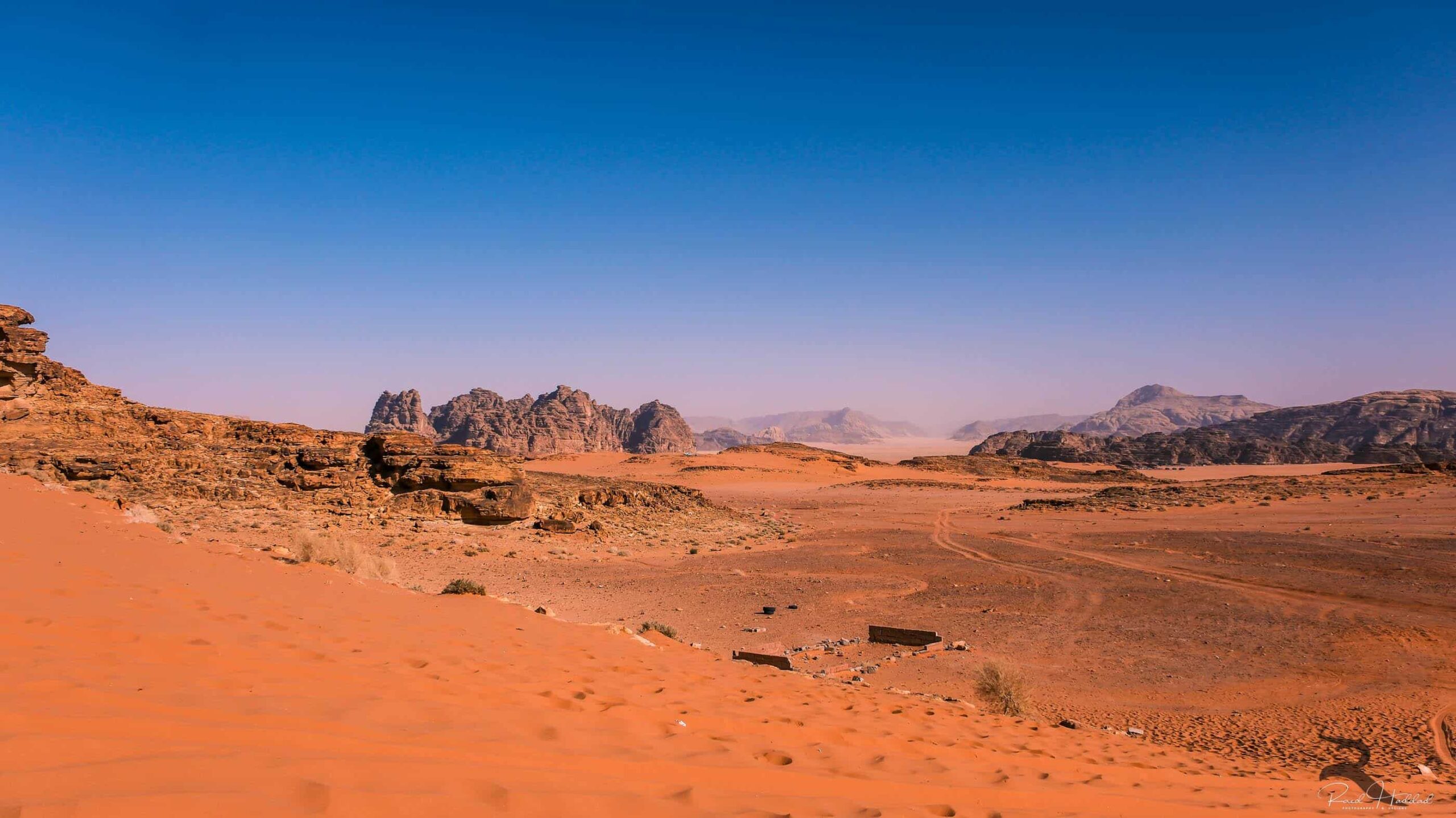
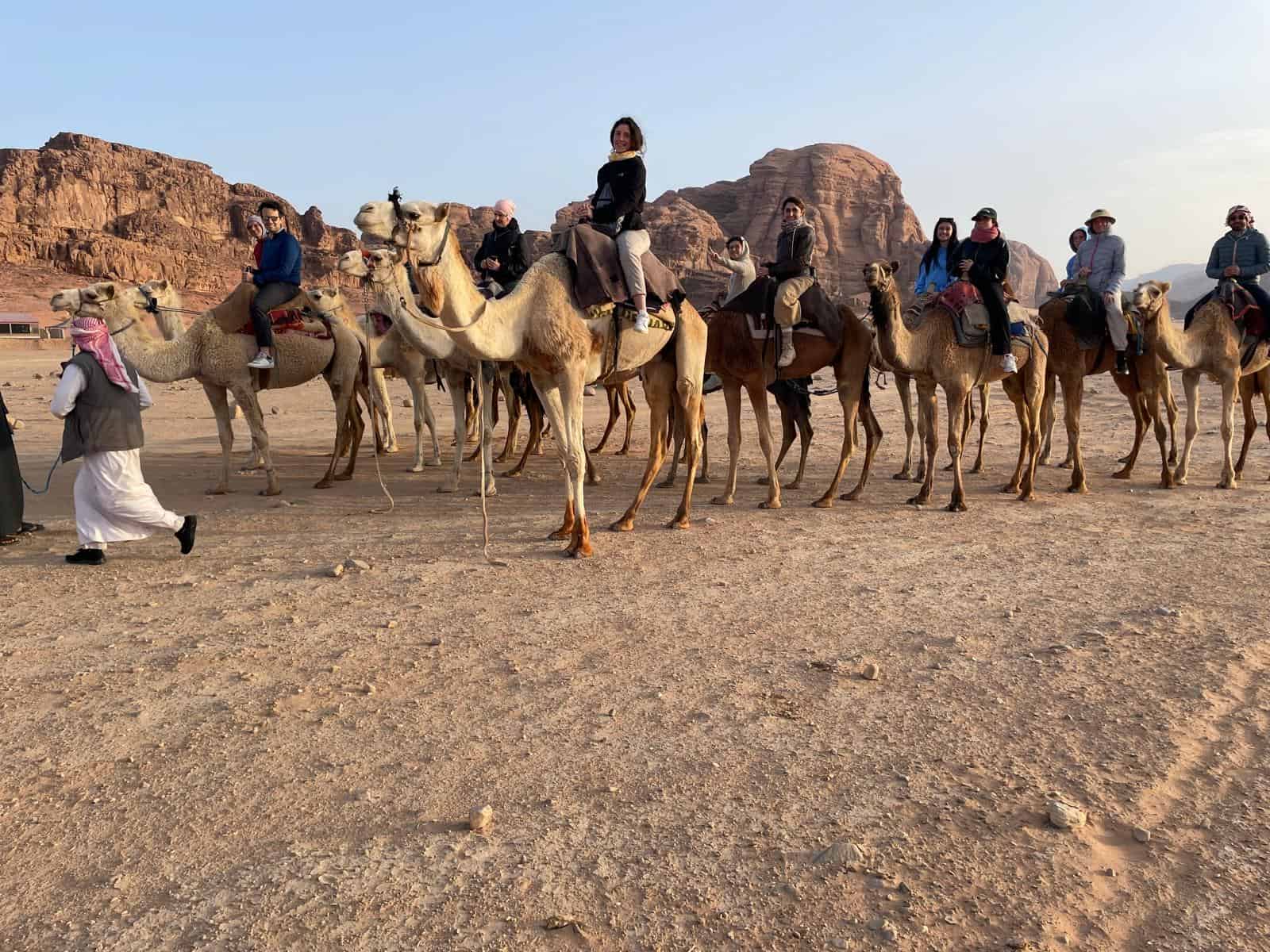
In the afternoon, the route continues south to Wadi Rum — Jordan’s great desert wilderness, a UNESCO World Heritage landscape of vast red sand plains, towering sandstone massifs, and narrow canyons. Arriving as the light softens and the desert glows, you’ll settle into your Bedouin camp for a traditional dinner under one of the finest night skies in the Middle East. Overnight in Wadi Rum.
Morning in the desert is something apart. Wadi Rum — the Valley of the Moon — earns its name in the stillness of the early hours, when the scale of the landscape becomes fully apparent and the silence is complete. Take the time to absorb it before departing north.
The afternoon destination is the Dead Sea — 430 metres below sea level, the lowest point on Earth and one of the world’s most unusual natural experiences. The water here is so dense with salt and minerals that floating is not a skill but a default — you simply lie back and the sea holds you. Apply the famous shoreline mud, rich in magnesium, calcium, and potassium, and unwind at your resort as the hills of the West Bank catch the afternoon light across the water. Overnight at the Dead Sea.
A final, unhurried morning by the water — one last float, a long breakfast, or a quiet walk along the shore as the day begins. When the time comes, Hajjat Tours will arrange your transfer north to Queen Alia International Airport. You’ll leave having travelled the length of Jordan, connected its stories, and seen it properly.
|
City |
03 Stars |
04 Stars |
05 Stars |
|
Amman |
|||
|
Dead Sea |
|||
|
Petra |
|||
|
Wadi Rum |
Luxury Rum Magic Camp |
Six days gives this itinerary genuine room to breathe. Each destination receives the time it deserves, and the routing flows naturally from north to south before finishing at the Dead Sea. Hajjat Tours manages every logistical detail so the experience is seamless from arrival to departure.